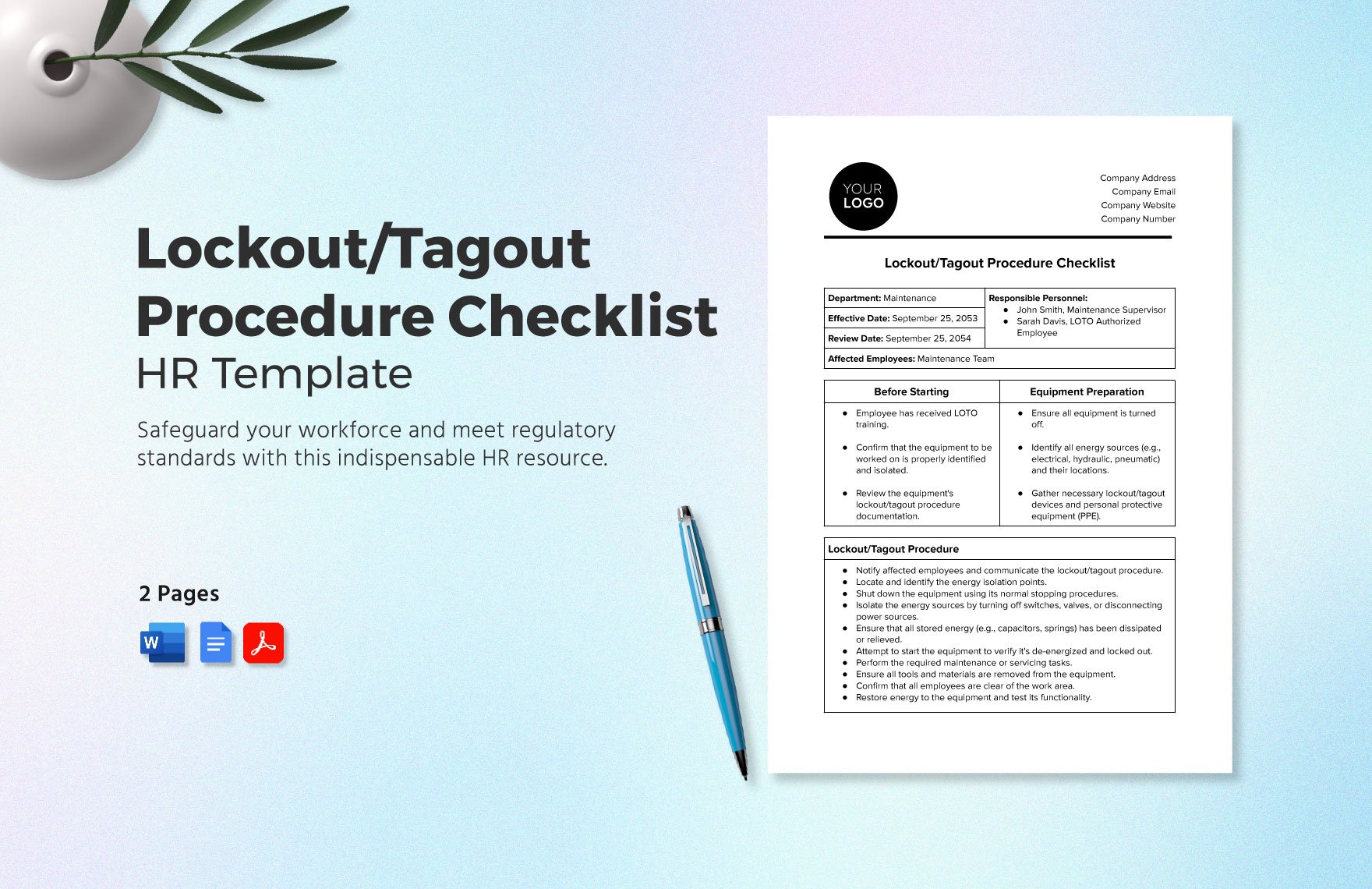
Every preventable injury in a manufacturing or maintenance environment starts the same way: someone assumes a machine is off when it isn’t. The truth is, machines don’t remember safety rules—people do. And the most powerful tool in that human chain isn’t a lock or a tag alone—it’s the message behind them. A lockout tagout safety message isn’t just a note on a valve or a sign on a panel. It’s a declaration: This equipment is unsafe. Do not operate. Someone’s life depends on it.
When that message fails—when it’s unclear, ignored, or missing—the results can be catastrophic. OSHA estimates that proper lockout tagout (LOTO) procedures prevent 120 fatalities and 50,000 injuries annually in the U.S. Yet, LOTO remains one of the most frequently cited violations in industrial settings. At the core of this gap? Poor communication. The lockout tagout safety message is the final, non-negotiable link between procedure and protection.
Let’s break down what makes these messages effective—or dangerously ineffective.
Why the Lockout Tagout Safety Message Matters More Than You Think
A lockout device secures energy isolation. A tag communicates intent. But the message on that tag? That’s what stops a well-meaning coworker from restarting a conveyor belt mid-maintenance.
Consider this real-world scenario: A technician locks out a hydraulic press and begins disassembling the feed mechanism. Another worker, unaware of the maintenance, sees the press idle and assumes it’s safe to restart. He removes the lock—thinking it was left on accidentally—and powers the system. The result: a crushed hand and a six-figure OSHA fine.
The physical lock failed not because it broke, but because the message didn’t convey urgency or ownership.
- A strong lockout tagout safety message does three things:
- Identifies the person responsible (e.g., “Locked out by: J. Rivera, Maintenance Tech #204”)
- States the reason for the lockout (e.g., “Replacing motor coupling—DO NOT OPERATE”)
- Provides contact information (e.g., “Contact ext. 445 for release”)
Without these elements, the tag becomes decoration—not a warning.
Core Components of an Effective LOTO Safety Message
Not all tags are created equal. A compliant LOTO tag must meet OSHA 1910.147(c)(6) requirements, but meeting the minimum isn’t enough. An effective message is designed for instant comprehension under stress.
#### 1. Clear, Bold Warning Language Use phrases like: - “DANGER – DO NOT OPERATE” - “ENERGY ISOLATED FOR MAINTENANCE” - “LOCKED OUT – AUTHORIZED PERSONNEL ONLY”
Avoid vague terms like “Caution” or “Under Repair.” “Danger” is the appropriate signal word for life-threatening situations.
#### 2. Human-Readable Font and Layout A tag crammed with 6-point font in five languages won’t stop anyone. Use: - Minimum 14-point font - High-contrast colors (red/white or yellow/black) - Simple icons (e.g., a lock, a hand, a lightning bolt)

One plant reduced unauthorized re-energizations by 70% simply by switching to larger, bilingual (English/Spanish) tags with pictograms.
#### 3. Personal Accountability Fields Blank spaces for: - Name - Department - Date and time of lockout - Expected completion time
This transforms the tag from a generic notice into a personal pledge.
#### 4. Unique Identifier or QR Code Advanced systems use tags with scannable codes that link to the full LOTO procedure, work order, or supervisor contact. This adds traceability without cluttering the physical tag.
Common Mistakes That Undermine Your LOTO Message
Even companies with strong safety programs make subtle errors that erode the credibility of their lockout tagout safety message.
#### Mistake 1: Using Tags as Labels Taping a “Do Not Operate” tag to a machine that’s not locked out teaches employees to ignore tags. Tags without locks become background noise.
Fix: Never use a tag unless a lock is applied. If a machine isn’t being serviced, remove all tags.
#### Mistake 2: Blank or Incomplete Tags A tag with no name, date, or reason assumes trust over verification. It also violates OSHA standards.
Fix: Treat incomplete tags as violations. Train supervisors to audit tags during safety walks.
#### Mistake 3: Reusing Tags Worn, faded, or previously used tags suggest indifference. A crumpled tag with smudged ink says: This procedure isn’t important.
Fix: Use single-use, tamper-evident tags. Discard after removal.
#### Mistake 4: Bypassing the Message in Emergencies In a rush to restore production, workers sometimes remove locks without verifying with the original installer.
Fix: Implement a formal lock removal protocol requiring supervisor approval, verification of worker location, and documented justification.
Real-World Use Cases: When the Message Saved the Day
Case 1: Preventing a Chemical Release At a Midwest refinery, a maintenance crew isolated a sulfuric acid pump. One technician placed a tag stating: “Acid line open—residual pressure hazard. Locked out by: T. Wells, 08:15.” Later, a shift change occurred. A new operator noticed the tag, hesitated, and called the board. The tag’s specificity prompted verification—preventing a potential spray incident when the pump was nearly re-energized.
Case 2: Avoiding a Fatal Crush Injury In a Detroit auto plant, a robotic arm was locked out for welding repairs. The tag read: “Robot Cell #7—arm disassembled. DO NOT TEST RUN. Contact Carlos M. (ext. 512).” A programmer needed to run diagnostics nearby. He saw the tag, called Carlos, and delayed his work. Without that message, he might have initiated a test sequence—activating adjacent systems with fatal consequences.
These aren’t edge cases. They’re proof that clarity and accountability in LOTO messaging directly prevent harm.
Enhancing Your LOTO Message
with Technology

While paper tags and padlocks remain standard, digital tools are elevating the effectiveness of safety messaging.
#### 1. Smart Lockout Stations These wall-mounted hubs store locks, tags, and digital checklists. Workers log in via badge, scan equipment QR codes, and print tags with pre-filled data—reducing errors and ensuring consistency.
#### 2. Mobile LOTO Apps Apps like Safetech LOTO or TRIRIGA Asset Manager let technicians: - Digitally document lock placement - Attach photos of isolated points - Send automated alerts to supervisors
The digital tag becomes part of a permanent audit trail.
#### 3. RFID-Enabled Locks and Tags Each lock has a unique ID. When scanned, it displays the responsible technician, work order, and expected duration. Unauthorized removal triggers alarms.
While not required, these systems strengthen the message by making it traceable, time-stamped, and harder to ignore.
Training: The Human Side of the Message
No tag can protect a worker who doesn’t understand it. Training must go beyond “fill in the blanks.” Employees need to internalize the meaning behind the message.
Effective training includes: - Role-playing scenarios where tags are missing or damaged - Simulations of shift handoffs - Drills on verifying lockout before re-energizing
One manufacturer reduced LOTO-related near-misses by 80% after introducing quarterly “Tag Read” drills—where workers are asked to interpret mock tags and explain next steps.
Remember: A lockout tagout safety message only works if everyone reads it, believes it, and respects it.
Integrating the Message into Your Safety Culture
The best LOTO programs treat the safety message as part of a larger cultural narrative. It’s not just a compliance artifact—it’s a visible symbol of respect for human life.
Ways to embed this mindset: - Feature LOTO messages in safety meetings - Recognize workers who catch violations - Display real (anonymous) examples of close calls tied to tag clarity
One plant posts a “Tag of the Month” board, highlighting well-completed tags. It’s a small gesture that reinforces accountability and pride in safety.
Action Steps to Strengthen Your LOTO Safety Message Today
You don’t need a full system overhaul to improve your lockout tagout safety message. Start here:
- Audit existing tags – Walk through your facility. Are tags complete? Legible? Paired with locks?
- Standardize tag design – Use a universal template with fields for name, reason, time, and contact.
- Train on message interpretation – Ensure all employees can explain what a tag means and what to do if they see one.
- Eliminate tag-only lockouts – Enforce the rule: no lock, no tag.
- Review lockout procedures quarterly – Update language based on near-misses or confusion reports.
A strong message doesn’t just warn—it protects. It doesn’t just comply—it convinces.
In high-risk environments, the difference between safety and tragedy often comes down to a few words on a tag. Make sure yours are impossible to ignore.
FAQ
What should you look for in Lockout Tagout Safety Message Essentials for Every Workplace? Focus on relevance, practical value, and how well the solution matches real user intent.
Is Lockout Tagout Safety Message Essentials for Every Workplace suitable for beginners? That depends on the workflow, but a clear step-by-step approach usually makes it easier to start.
How do you compare options around Lockout Tagout Safety Message Essentials for Every Workplace? Compare features, trust signals, limitations, pricing, and ease of implementation.
What mistakes should you avoid? Avoid generic choices, weak validation, and decisions based only on marketing claims.
What is the next best step? Shortlist the most relevant options, validate them quickly, and refine from real-world results.